

Best Historical Sites to Visit in Riyadh


Riyadh, a bustling modern metropolis, is also a city steeped in history, where ancient traditions and royal heritage sit side by side with contemporary life. From centuries-old forts and palaces to vibrant souqs and cultural districts, the city offers a rich tapestry of sites that reveal Saudi Arabia’s fascinating past. Exploring Riyadh’s historical landmarks is more than sightseeing—it’s a journey through time, offering a glimpse into the stories, architecture, and traditions that have shaped the kingdom. Whether you’re a history enthusiast or a curious traveler, Riyadh’s heritage sites promise experiences that are both enlightening and unforgettable.
Al Muraba Palace
Murabba Palace, located in Riyadh’s Al-Murabba district, stands as a cornerstone of Saudi Arabia’s cultural and architectural heritage. Built between 1936 and 1938 under King Abdulaziz Al Saud, it was the first royal residence constructed outside the city’s historic walls, marking the beginning of Riyadh’s modern expansion. Designed in the traditional Najdi style using mud bricks, straw, and palm wood, the palace served as both a royal residence and seat of government until 1953, witnessing key moments in the nation’s formation. Today, it forms part of the King Abdulaziz Historical Center, offering visitors insight into Saudi Arabia’s transition from its early foundations to a modern state.
At-Turaif District in Diriyah

At-Turaif District in Diriyah, northwest of Riyadh, is one of Saudi Arabia’s most significant historical sites, serving as the original home of the House of Saud and the capital of the First Saudi State from 1727 until 1818. Founded in the 15th century, it played a central role in the political and religious shaping of the Arabian Peninsula, including the rise of the Salafiyya reform movement. Renowned for its Najdi mud-brick architecture and desert-adapted design, the district features historic palaces, a treasury, and bathhouses that reflect Diriyah’s cultural legacy. Recognized as a UNESCO World Heritage Site in 2010, At-Turaif stands today as a symbol of early Saudi unification and ongoing efforts to preserve and share the nation’s heritage.
Masmak Fortress

Al Masmak Palace stands at the heart of Riyadh as one of the Kingdom’s most powerful historical symbols, bearing silent witness to the founding of Saudi Arabia. Built in the 14th Hijri century during the reign of Imam Abdullah bin Faisal, the fortress once served as a center of power, finance, and defense, defined by its thick mud-brick walls, narrow gun openings, and limited entrances. Most famously, it was the site of the 1902 Battle of Riyadh, marked by the spear tip embedded in its gate — a lasting symbol of King Abdulaziz’s recapture of the city.
Today, Al Masmak functions as a museum and immersive heritage site, offering visitors a tangible journey into Saudi history.
Guests can wander through its six main sections, including the monumental western gate, the mosque, the majlis, the well, the four defensive towers, and the former residential quarters now transformed into exhibition halls. Inside, visual displays, archival photographs, and preserved artifacts bring to life the story of the Kingdom’s unification and the figures who shaped it. Walking through the fortress’s corridors and courtyard allows visitors to experience the scale, texture, and atmosphere of Najdi architecture, making Al Masmak not just a historical landmark, but a deeply engaging encounter with the origins of modern Saudi Arabia.
King Abdulaziz Historical Center

The King Abdulaziz Historical Center stands as one of Riyadh’s most important cultural landmarks, bringing Saudi Arabia’s past into a single, immersive destination. Spanning 440,000 square meters in the Al-Murabba district, the center weaves together restored historic sites — including the Murabba Palace built in the 1930s as King Abdulaziz’s residence — with modern museums, libraries, and landscaped gardens. Inaugurated in 1999 to mark the centenary of King Abdulaziz’s recapture of Riyadh, the complex invites visitors to journey through Saudi history from prehistoric times to the birth of the modern state. Anchored by the National Museum, alongside the King Abdulaziz Foundation for Research and Archives and expansive public parks designed like traditional oases, the center functions as both an educational hub and a peaceful urban retreat, offering a deeply layered experience of heritage, architecture, and national identity.
Al-Hukum Palace (Qasr Al-Hukum)

Al-Hukm Palace stands at the heart of Riyadh as both a historic seat of power and a living symbol of Saudi governance. Located in the Qasr Al-Hukm District, the palace traces its origins back to 1747 and rose to prominence as the residence and ruling center of the Second Saudi State, from Imam Turki bin Abdullah to King Abdulaziz himself, who governed from its halls for more than three decades before relocating to Al-Murabba in 1938. Rebuilt and expanded over time, the palace blends political legacy with architectural grandeur — from its expansive royal majlis crowned by marble columns and traditional motifs to its offices, dining halls, and administrative chambers. Overlooking Riyadh’s historic core, Al-Hukm Palace remains a powerful landmark where history, authority, and national identity converge.
Souq Al-Zal

Souk Al-Zal is one of Riyadh’s oldest and most atmospheric markets, offering a glimpse into the city’s traditional way of life. Winding tiled pathways lead visitors past shops filled with antiques, handwoven carpets, incense, oud, bishts, abayas, and other heritage goods that echo generations of craftsmanship. Beyond shopping, the souk invites visitors to slow down and experience local flavors — from Arabic coffee and dates to traditional sweets and Saudi snacks served by vendors and nearby cafés. It’s a place where everyday culture, history, and hospitality come together in the heart of the city.
Wadi Haneefa
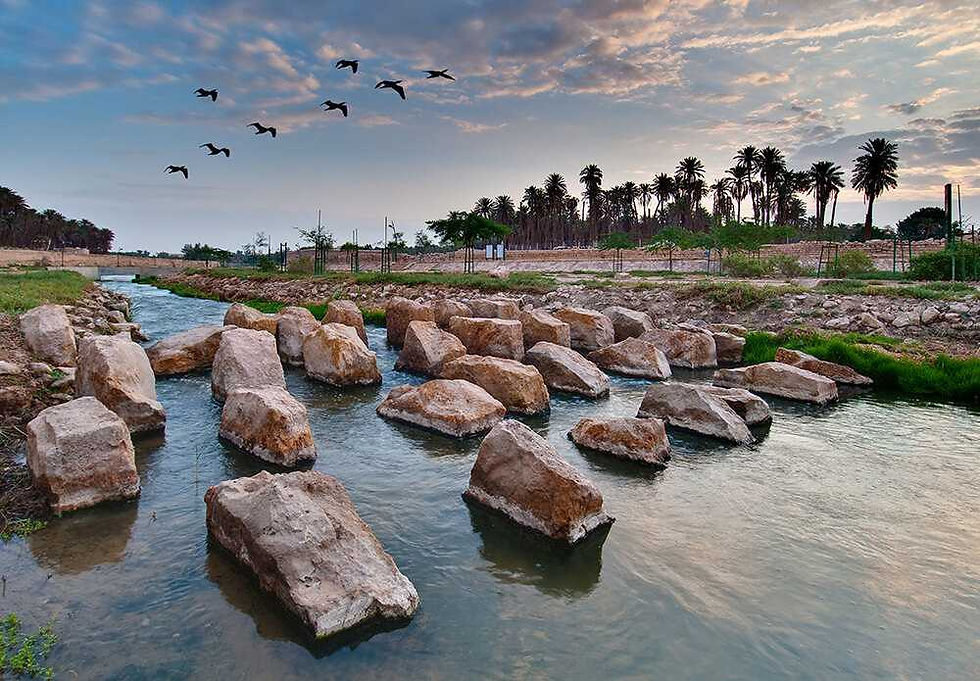
Haneefa Valley, also known as Wadi Hanifa, is one of Riyadh’s most important natural and historical landmarks, where centuries of human history meet a revitalized natural landscape. Inhabited since the Neolithic period, the valley was among the earliest agricultural centers in the Arabian Peninsula and later home to the Banu Hanifa tribe, playing a key role in the region’s cultural and political development. Today, its ancient settlements and traces of early civilization sit alongside restored parks, walking paths, and cultural spaces, transforming the valley into a green artery through the city. More than a scenic escape, Wadi Hanifa stands as a living link between Saudi Arabia’s deep past and its modern commitment to heritage, sustainability, and public life.
Banban Historical Site

Banban Historical Site, located north of Riyadh, offers a quiet glimpse into the region’s pastoral past. Once a small village known for its abundant water and greenery, Banban was frequently celebrated in classical Arabic poetry as a symbol of fertility and blessing. Over time, the area was absorbed into the expanding city, yet its historical name and legacy endure. Today, the site sits alongside the expansive King Salman Park, a vast environmental space designed for camping, family gatherings, and outdoor recreation, creating a seamless connection between Banban’s natural heritage and Riyadh’s modern urban life.
Diriyah Historical Tour

Diriyah, the birthplace of Saudi Arabia, invites visitors on an immersive journey through the kingdom’s rich heritage. Travelers can wander the UNESCO-listed At-Turaif District, exploring beautifully restored palaces and ancient fortresses that bring history to life. The nearby Bujairi Terrace offers a cultural experience with its vibrant dining scene, stunning views, and lively atmosphere. From strolling through historic streets to savoring local flavors, the visit blends history, culture, and modern luxury, offering a memorable experience that captures both the past and present of Saudi Arabia.
Al Thumairi Street

Souq al-Thumairi, located near the iconic Masmak Fort, is Riyadh’s premier destination for an authentic shopping experience. Known as the Antique Souq, it’s a treasure trove of traditional handicrafts, perfumes, jewelry, and clothing, alongside a fascinating collection of antiques—silver daggers, coffee pots, vases, and lamps. With its lively atmosphere and renowned antique auctions, the souq offers visitors a unique glimpse into Saudi Arabia’s rich heritage and vibrant local culture.
Al Bujairi District

Al Bujairi, in historic Diriyah on Riyadh’s northwestern edge, is more than a district—it’s a living story of Saudi Arabia’s past and cultural revival. Blending restored heritage sites with modern lifestyle, it offers bustling terraces, curated restaurants, scenic viewpoints, and a strong cultural vibe. A vibrant hub for locals, tourists, and cultural explorers alike, Al Bujairi brings history and contemporary life together in a truly immersive experience.
Red Palace (Qasr Al Ahmar)

The Red Palace, an iconic landmark in Riyadh, has played a central role in Saudi Arabia’s history, serving as a royal residence, a guesthouse for heads of state, and the headquarters of the Council of Ministers. In 2019, the Ministry of Culture showcased its political and historical significance through the Red Palace Exhibition, featuring artworks across fourteen rooms that chronicle its legacy. Now, the palace is being transformed into a luxurious boutique hotel by the Boutique Group, a PIF subsidiary, set to open in April 2026. Preserving its historic charm while introducing contemporary luxury, the hotel will offer over 70 rooms—including deluxe, royal, and spa suites—private butler service, seven event spaces, and five fine-dining restaurants, making it a landmark destination that bridges Saudi Arabia’s rich past with modern opulence
Camel Market

The Camel Market, one of the largest in the Arabian Peninsula, offers a fascinating glimpse into Saudi Arabia’s Bedouin heritage. Here, elderly traders sell camels—a central part of their daily lives and culture—highlighting the deep significance of these animals in the region’s traditions. The market comes alive in the late afternoon, when bidding heats up, often starting from SR5,000 to SR10,000. Located about 30 km north of Riyadh off the Dammam Road (Thumamah exit), the market is a vibrant experience, though visitors should confirm its exact location with locals due to ongoing development in the area.
Follow us on:
Make sure to share this post and subscribe to our newsletter to receive notifications on our latest posts, as well as exclusive content and much more!


Comments